
Join us on the road ahead
We’re committed to helping businesses thrive in a low-carbon economy. Let’s partner in a cleaner future without compromise.
Author: Patrick Macdonald-King – CEO
On July 30, 2025, Greenlane participated in the UBS Energy Transition Call Series for the second time, joining a virtual discussion hosted by UBS Equity Research Analyst Jon Windham. This recorded series convenes energy experts and innovative companies that are shaping the global energy transition.
Participating in these calls is a great opportunity to update industry investors and stakeholders on our progress. More importantly, it’s a chance to share how we’re delivering on our mission to accelerate the deployment of a national, public charging and hydrogen refueling network for medium- and heavy-duty zero-emission vehicles (ZEVs).
To view the full 60-minute UBS Energy Transition Call featuring Greenlane, visit this link. Viewers will need to create a free account and log in to watch the recording.
Here is a brief synopsis of the call:
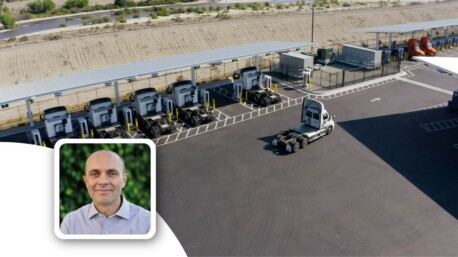
In April 2025, we opened our first Greenlane Center™ in Colton, California. Positioned at the intersection of I-10 and I-15, the site supports some of the busiest freight routes in the U.S. More than a charging stop, Colton is a driver-focused hub featuring:
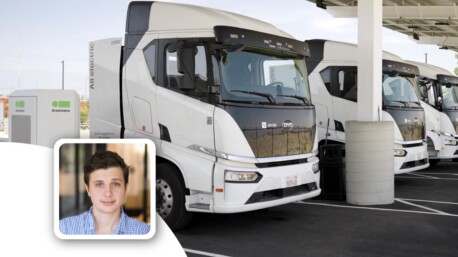
Greenlane’s network is shaped by collaboration. With Uber Freight, we leverage freight data to place sites where demand is highest. OEM partners like Daimler, Volvo, BYD, and Windrose ensure seamless vehicle integration. Fleets such as Nevoya and Einride are already piloting our sites, proving readiness for long-haul electrification.
By 2030, more than 827,000 electric trucks are expected to be on the road globally. With battery prices continuing to decline, the total cost of ownership (TCO) for electric trucks continues to near parity with diesel. Lower battery costs, combined with reduced maintenance and fuel savings, are key drivers making zero-emission trucking more affordable than ever.
We’re committed to helping businesses thrive in a low-carbon economy. Let’s partner in a cleaner future without compromise.