



Join us on the road ahead
We’re committed to helping businesses thrive in a low-carbon economy. Let’s partner in a cleaner future without compromise.
Author: Andrea Pratt – VP, Government & Utility Relations
California’s clean transportation landscape continues to evolve, and 2026 is shaping up to be a pivotal year for fleets ready to move beyond diesel. New and returning incentive programs across the state will make it easier for fleet operators to lower the cost of truck replacements and expand zero-emission operations.
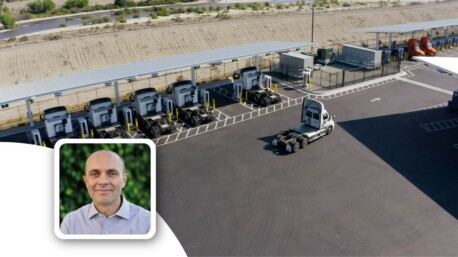
Electrifying a fleet takes more than vehicle purchases—it requires dependable charging, smart route planning, and operational readiness. Greenlane’s high-capacity charging network helps fleets deploy electric trucks faster while avoiding costly infrastructure buildouts. We’re here to be your partner in building long-term, scalable electrification strategies.
From statewide voucher programs like HVIP to regional initiatives through SoCal Edison (SCE) and South Coast Air Quality Management District (SCAQMD), funding access is expanding along the very corridors where Greenlane is building its public charging network.
Below is a recap of seven major programs expected to open or remain active through 2026, each helping fleets offset vehicle costs and accelerate the transition to cleaner freight movement.
| Program | Anticipated Application Window | |
| 1. | South Coast Carl Moyer Program
|
March – April 2026 |
| 2. | HVIP (Clean Truck & Bus Voucher Program)
|
OPEN NOW |
| 3. | Port Plus-Up for Port of Long Beach and Port of Los Angeles
|
March – April 2026
Tied to HVIP; typically becomes available when HVIP funding opens |
| 4. | VW Environmental Mitigation Trust Funding
|
August 2026 |
| 5. | INVEST CLEAN by South Coast AQMD
|
August 2026 |
| 6. | Last Mile Freight Program Rebates by SCAG
|
July 2026 |
| 7. | Southern California Edison (SCE) Drayage Truck Rebate & ReCharge Vehicle Rebate
|
Program is open on a rolling basis until funds are exhausted |
The Carl Moyer Program is the longest-running clean transportation funding program in the United States, established to reduce emissions from heavy-duty vehicles through replacement or repower projects. It is administered through California’s network of local air districts and continues to be a major funding driver for zero-emission truck adoption. While historically focused on diesel emission reductions, recent years have expanded eligibility to include full zero-emission replacements, making it a versatile option for both large and small fleets.
The below funding and eligibility guidelines are reflective of 2025. We can expect to see similar guidelines for 2026.
Funding
Eligibility
How to Apply
Applications are submitted through local Air Quality Management Districts. Each district publishes its own solicitation schedule and project criteria.
The California Air Resources Board’s HVIP program remains the state’s flagship funding mechanism for clean truck purchases. HVIP provides point-of-sale discounts that reduce the upfront cost of eligible medium- and heavy-duty vehicles. The program simplifies access by offering vouchers directly through dealers rather than requiring fleets to apply for reimbursement.
In 2025, funding was prioritized for small fleets and drayage operations as demand quickly outpaced supply. Looking ahead, fleets that plan ahead and coordinate early with approved dealers will have the best chance of securing vouchers when 2026 funding becomes available.
The below funding and eligibility guidelines are reflective of 2025.
Funding
Eligibility
How to Apply
Applications are initiated directly through participating dealers at www.californiahvip.org when funding opens. Dealers manage voucher submission, ensuring compliance and tracking requirements are met.
The Port Plus-Up program, jointly funded by the Ports of Los Angeles and Long Beach, offers supplemental funding to fleets applying for HVIP vouchers for drayage trucks. It’s financed through Clean Truck Fees paid by cargo owners and designed to reduce emissions from port-related freight movement. This “plus-up” adds extra dollars on top of HVIP awards, directly targeting fleets that serve containerized cargo routes through the San Pedro Bay Complex. The goal is to incentivize rapid adoption of zero-emission drayage vehicles that operate daily within port corridors.
The below funding and eligibility guidelines are reflective of 2025. We can expect to see similar guidelines for 2026.
Funding
Eligibility
How to Apply
Applications are processed through the HVIP portal at the time of voucher submission, with automatic cross-verification for Port Plus-Up eligibility.
Funded by the Volkswagen emissions settlement, this statewide program provides significant support for fleets scrapping older diesel trucks. It helps offset the higher cost of zero-emission replacements while removing high-emitting vehicles from California’s roads. The program has historically been oversubscribed, reflecting high interest from both public and private fleets.
While the August 2025 round closed quickly with a waitlist, a new allocation could emerge in 2026 depending on remaining settlement balances and state planning decisions.
Funding
Eligibility
How to Apply
Program details and updates can be found at californiavwtrust.org, with application materials available once funding reopens.
The South Coast Air Quality Management District’s INVEST CLEAN program is among California’s most aggressive funding options for fleets looking to replace diesel trucks. The program focuses on reducing emissions in regions facing severe air quality challenges — particularly in the Inland Empire and port-adjacent areas. It supports both public and private fleets and provides near-total cost coverage for qualifying projects. The program’s emphasis on scrappage ensures that older diesel vehicles are permanently retired, maximizing regional air quality gains.
The below funding and eligibility guidelines are reflective of 2025. We can expect to see similar guidelines for 2026.
Funding
Eligibility
How to Apply
Application details and forms are available at aqmd.gov/investclean, and applicants must submit required documentation before approval.
The South Coast Air Quality Management District (SCAQMD) passed some INVEST CLEAN funds onto Southern California Association of Governments (SCAG) to award Last Mile Freight Program (LMFP) Battery-Electric Vehicle Rebates to help last-mile delivery fleet owners and operators purchase or convert Class 4 and 5 battery-electric trucks.
The below funding and eligibility guidelines are reflective of 2025. We can expect to see similar guidelines for 2026.
Funding
Eligibility
How to Apply
Application details and forms are available at scag.ca.gov/last-mile-freight-program-battery-electric-vehicle-rebates, applicants must submit required documentation before approval.
The Southern California Edison (SCE) Drayage Truck Rebate and ReCharge Commercial Vehicle Rebate help offset the cost of transitioning diesel and gasoline-powered trucks to zero-emission models across SCE’s service territory. Unlike many incentive programs, both operate year-round rather than on fixed grant cycles — making them accessible to fleets whenever they’re ready to electrify.
The Drayage Truck Rebate focuses on heavy-duty Class 7–8 trucks serving the Ports of Los Angeles, Long Beach, and other regional freight corridors, while the ReCharge Commercial Vehicle Rebate supports medium-duty fleets (Classes 4–6) in general commercial operations, including delivery, logistics, and service vehicles. Both programs are designed to complement larger state incentives such as HVIP, helping fleets layer multiple funding sources to significantly reduce total cost of ownership.
The below funding and eligibility guidelines are reflective of 2025. We can expect to see similar guidelines for 2026.
Drayage Truck Rebate Funding
Drayage Truck Rebate Eligibility
ReCharge Commercial Vehicle Rebate Funding
ReCharge Commercial Vehicle Rebate Eligibility
How to Apply
Applications for both programs can be submitted through SCE’s Clean Transportation portal at commercialevrebates.sce.com/consumer, requiring proof of purchase, VIN, and evidence of operation within Edison territory. Participating dealers and retailers handle most of the application processing on behalf of fleets to streamline approvals and rebate disbursement.
______
Going electric takes more than new trucks—it takes infrastructure. Greenlane’s public charging network helps fleets deploy faster and operate with confidence across Southern California.
If your company is in need of charging infrastructure to pair with an incentive program, we’re here to help. Reach out to us to get the conversation started.
We’re committed to helping businesses thrive in a low-carbon economy. Let’s partner in a cleaner future without compromise.